
Are you struggling to turn visitors into paying customers? Building a sales funnel that truly converts can change everything for your business.
From capturing leads with custom landing pages to automating follow-ups and closing deals, you’ll learn how to build a funnel that works hard for you. Ready to boost your conversions and grow your business? Let’s dive in.
Credit: www.salesgenie.com
What Is A Sales Funnel And Why It Matters
A sales funnel shows steps customers take before buying. It helps businesses guide people smoothly to purchase. Using Keap makes building this process easier and more effective.
A sales funnel guides potential customers step-by-step toward buying. Understanding this process helps businesses grow and earn more. Let’s explore what a sales funnel really means and why it is important. What is a Sales Funnel? A sales funnel is the path customers follow before making a purchase.
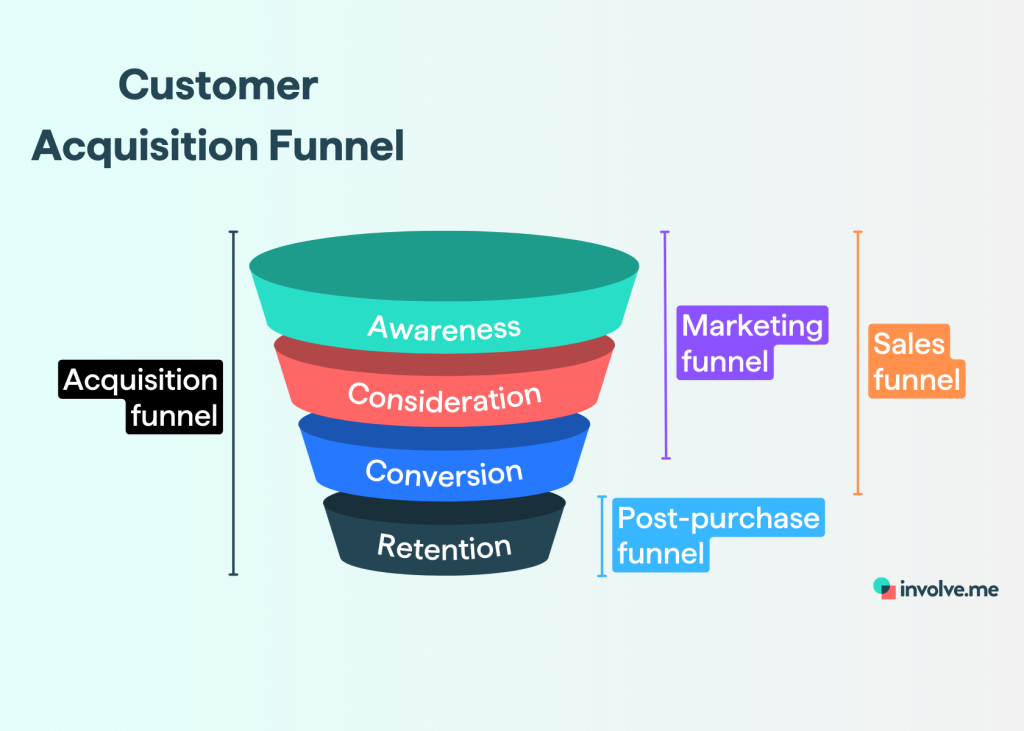
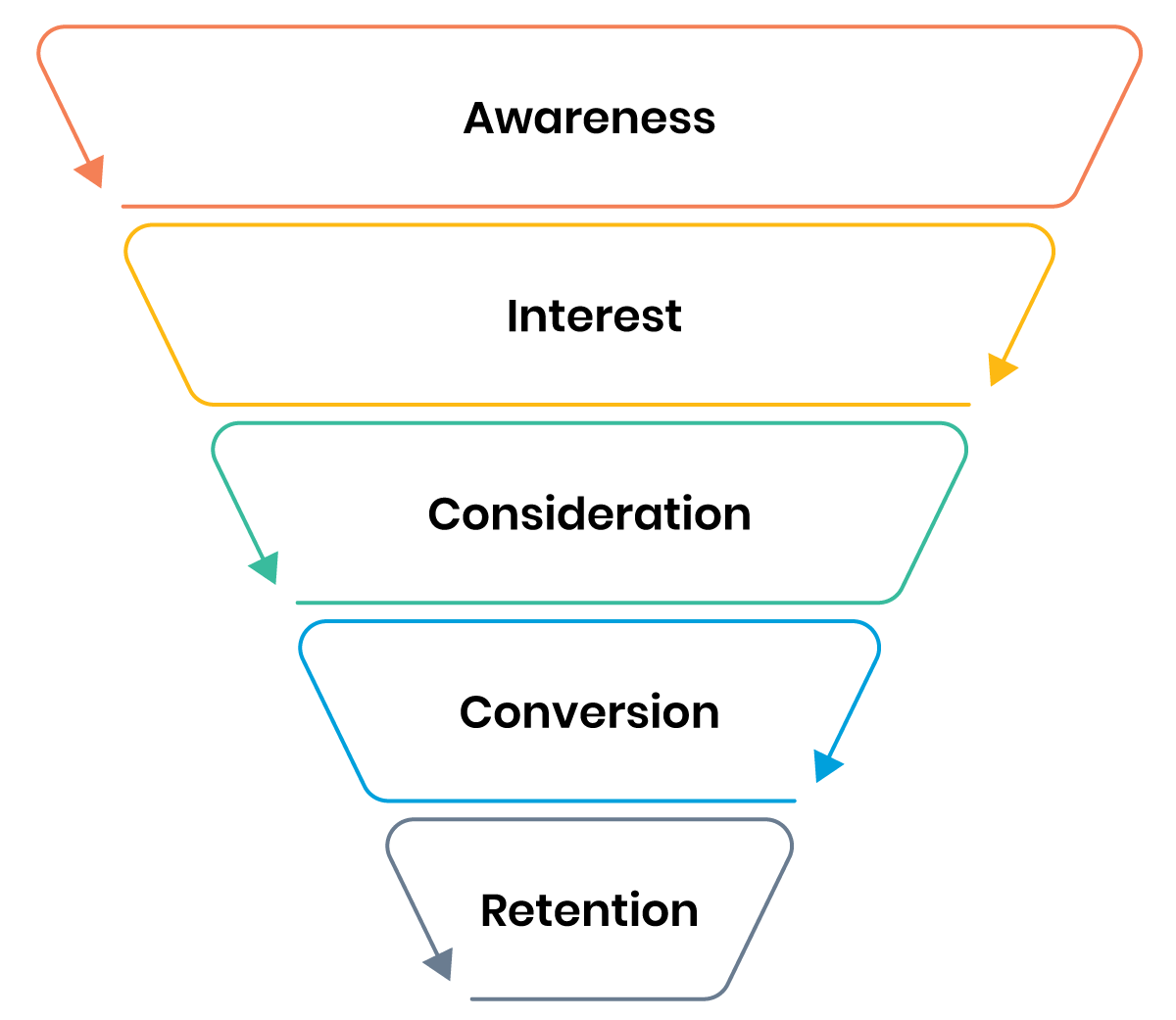
It starts broad and narrows down as people move closer to buying. Think of it as a journey from knowing your brand to becoming a loyal customer. Key Stages of a Sales Funnel Here are the main parts of a sales funnel to know: – Awareness: People discover your product or service.
– Interest: Potential customers want to learn more. – Decision: They compare options and consider buying. – Action: The final step where they make a purchase. Why a Sales Funnel Matters for Your Business Understanding the sales funnel helps focus efforts on the right customers at the right time.
Benefits include: – Increased sales: Targeted messages lead to more buyers. – Better customer experience: People get what they need, when they need it. – Efficient marketing: Save time and money by focusing on hot leads. – Measurable results: Track progress and improve your approach.
How Keap Supports Your Sales Funnel Keap offers tools to manage and automate the sales funnel easily. It helps with: – Capturing leads: Collect contact info automatically. – Nurturing leads: Send personalized messages to build trust. – Tracking progress: See where each customer is in the funnel.
– Closing sales: Streamline payments and follow-ups for faster buys.
Understanding The Keap Sales Funnel Framework
Building a sales funnel with Keap helps guide potential customers step-by-step toward buying. This framework shows how to attract, engage, and convert leads efficiently. Simple tools create smooth experiences that boost sales results.
Opens the door to effective customer journeys. This system helps move potential buyers step-by-step toward making a purchase. It breaks down the process into clear stages, making it easier to manage and improve your sales efforts. Lead Capture This stage focuses on gathering contact details from visitors.
It’s about making the first connection. – Opt-in forms: Collect emails or phone numbers through forms on your website. – Landing pages: Use focused pages designed to prompt sign-ups. – Incentives: Offer free downloads or discounts to encourage sharing information.
– Tracking: Monitor which sources bring in the most leads. Lead Nurturing Here, you build relationships with leads to earn their trust and interest. This stage keeps potential customers engaged. Emails and messages provide helpful content and answers. Regular contact avoids losing interest.
Personalized messages based on lead behavior improve connection. Automation tools send timely follow-ups without manual effort. Sales Conversion This phase aims to turn interested leads into paying customers. It focuses on clear calls to action and smooth transactions. – Clear offers: Present products or services with benefits explained.
– Urgency tactics: Use limited-time deals to encourage quick decisions. – Easy checkout: Simplify the buying process to reduce drop-offs. – Payment options: Provide multiple ways to pay for convenience. Customer Retention Keeping customers happy after purchase leads to repeat business and referrals.
– Follow-up emails: Check in to ensure satisfaction. – Loyalty programs: Reward repeat buyers to foster loyalty. – Support access: Offer easy ways to get help when needed. – Feedback requests: Collect opinions to improve products and service.
Capturing Leads With Keap Landing Pages & Forms
Keap landing pages and forms help you collect contact details easily. They guide visitors smoothly into your sales funnel. This way, you connect with potential customers and grow your business.
Capturing leads is the first step in creating a sales funnel that works. Keap makes this easier with its landing pages and forms designed to attract and collect visitor information quickly. Designing Effective Keap Landing Pages Creating a landing page with Keap means focusing on clear, simple designs that guide visitors.
Keep these points in mind: – Clear headline: Grab attention with a direct, benefit-driven headline. – Minimal distractions: Remove extra links or buttons to keep visitors focused. – Strong call-to-action: Use bold, easy-to-find buttons to encourage sign-ups. – Mobile-friendly layout: Ensure pages look good and work well on all devices.
– Trust elements: Add testimonials or security badges to build confidence. Creating Custom Forms with Keap Keap’s form builder lets you gather exactly the information you need. Use these tips: – Choose form fields wisely: Ask for only essential details to reduce drop-offs.
– Use smart fields: Show or hide questions based on previous answers. – Add clear labels: Make each field easy to understand with simple text. – Enable inline validation: Help users correct errors immediately for a smooth experience. – Customize design: Match form colors and fonts with your brand style.
Integrating Landing Pages and Forms into Your Funnel Bringing landing pages and forms together is key for capturing leads effectively. Consider these steps: – Link forms directly on landing pages: Avoid extra clicks to increase conversions. – Set up automated follow-ups: Use Keap to send emails after form submission.
– Test different layouts: Experiment with form placement and design to find what works. – Track performance: Monitor page views and form completions to optimize results. – Segment leads: Use form data to group contacts for targeted marketing. Optimizing for Higher Lead Conversion Small changes can boost how many visitors become leads.
Try these simple tactics: – Shorten forms: Fewer questions mean more completions. – Use compelling offers: Give visitors a reason to share their info, like a free guide. – Add urgency: Limited-time offers encourage quick action. – Include social proof: Show how many others have signed up.
– Simplify navigation: Make it easy to find and complete the form. These strategies with Keap landing pages and forms help you capture more leads and build a strong sales funnel.
Nurturing Leads Through Automated Email Sequences
Automated email sequences help guide leads step-by-step toward making a purchase. Keap allows you to set up these emails to build trust and interest. This process keeps potential customers engaged without extra effort.
Each message should speak directly to the reader’s needs and interests. Avoid generic phrases and include the recipient’s name to catch their attention. Timing Your Emails for Maximum Impact The best results come from sending emails at the right moments.
Keap lets you schedule emails based on actions leads take or time intervals. This keeps your communication relevant and timely. Segmenting Your Audience for Better Engagement Segmenting means grouping leads by traits or behavior. This allows sending targeted emails that fit each group’s needs.
Here’s why segmentation matters: – Increased relevance: Emails match recipients’ interests. – Higher open rates: Leads see emails they want. – Better conversion: Personalized messages encourage action. Using Clear Calls to Action Every email needs a clear next step. Whether it’s clicking a link or replying, make the action easy to spot.
Clear calls to action guide leads toward your goal. Testing and Optimizing Email Sequences Testing different email elements helps find what works best. Try changing subject lines, email length, or send times. Keap provides tools to track results and improve your sequences continuously.
Converting Prospects Into Paying Customers With Keap Pipelines
Building a clear sales funnel helps move prospects step by step toward buying. Keap Pipelines organize this process, tracking leads and guiding follow-ups. This method turns interest into sales with ease and clarity.
Understanding Keap Pipelines Keap Pipelines help you organize your sales process clearly. They show each stage a prospect goes through. This visual tool makes tracking progress easy. You see where each lead stands and what to do next. It keeps your sales flow smooth and focused.
Setting Up Your Pipeline Stages Here are key steps to create effective pipeline stages in Keap: – Define stages: List every step from lead to customer. – Name stages clearly: Use simple, clear names for each step. – Limit the number of stages: Keep it short to avoid confusion.
– Align stages with your sales process: Match each stage with real actions. – Use automation: Let Keap move prospects automatically between stages. Automating Follow-Ups in Keap Keap lets you automate follow-up messages easily. This saves time and keeps leads engaged.
Automation helps you send timely emails or texts based on actions prospects take. It reduces manual work and speeds up responses. Timely follow-ups increase the chance of closing sales. Tracking Deals and Progress Keeping track of deals is simple with Keap Pipelines.
You can see which prospects are close to buying. This helps you focus on hot leads first. The system updates in real time. It shows deal value and expected close dates. This clarity helps prioritize your sales efforts. Using Keap for Personalized Communication Personal messages create better connections with prospects.
Keap allows you to customize emails and messages easily. You can use the prospect’s name, past actions, or preferences. Personalized communication feels more human and builds trust. This approach improves conversion rates. Analyzing Pipeline Performance Analyzing your pipeline helps improve sales results.
Keap provides reports on stage duration, win rates, and drop-offs. These insights show what works and what needs fixing. Regularly check these reports to adjust your strategy. Data-driven decisions lead to better conversions.
Upselling & Cross-selling Using Automation
Automation helps increase sales by offering extra products or upgrades at the right time. Using Keap, you can create a sales funnel that guides customers smoothly toward these offers. This method boosts revenue without extra effort.
Why Upselling and Cross-Selling Matter Boosting sales doesn’t stop after the first purchase. Upselling and cross-selling increase customer value by offering related or higher-end products. This helps build trust and encourages repeat business. How Automation Simplifies Upselling Automation takes the hard work out of upselling.
It sends timely offers without you lifting a finger. Here’s how automation helps: – Saves time: Automatically sends upsell offers after purchases. – Personalizes messages: Tailors offers based on customer behavior. – Increases sales: Targets buyers when they are most interested.
– Reduces errors: Ensures consistent and accurate messaging. Setting Up Automated Upsell Campaigns in Keap Automating upsell campaigns in Keap is easy. Start by creating a sequence that triggers after a sale. Then, add personalized follow-up emails or messages. You can also: – Choose specific products for upsell offers.
– Set time delays to avoid overwhelming customers. – Track results to improve campaign performance. Cross-Selling with Keap Automation Cross-selling introduces customers to products that complement their purchase. Automation helps deliver these suggestions at the right moment. Consider these steps for cross-selling: – Identify products that go well together.
– Set automation rules to send offers after purchase. – Use customer data to make relevant suggestions. – Monitor engagement and adjust offers accordingly.
Measuring Funnel Performance With Keap Analytics
Tracking funnel steps with Keap Analytics helps spot where customers drop off. This shows which parts need fixing to improve sales. Clear data guides better decisions for a smoother customer journey.
Measuring the success of your sales funnel is key to improving results. Keap’s analytics tools give clear insights into how your funnel performs. Understanding these metrics helps you spot strengths and areas to fix. Tracking Conversion Rates Conversion rates show how many visitors become customers.
These numbers reveal the effectiveness of each step in your funnel. – Funnel stage conversion: percentage of leads moving from one stage to the next. – Overall funnel conversion: total visitors who complete a purchase. – Drop-off points: stages where most leads leave the funnel.
– Goal tracking: set specific goals and measure how well they are met. Analyzing Customer Behavior Customer behavior data shows how people interact with your funnel. This helps tailor your approach to their needs. – Click patterns: see which links and buttons get the most clicks.
– Time spent: measure how long visitors stay on each page. – Engagement rates: track how many open emails or watch videos. – Repeat visits: identify customers who return multiple times. Using Reports to Improve Funnels Reports summarize data to guide your next steps.
Keap’s report tools make it simple to understand trends. Reports highlight key points: – Best-performing campaigns: find which marketing efforts work best. – Weak spots: discover where leads lose interest. – Revenue tracking: connect funnel actions to sales numbers. – Customer segments: identify groups that respond differently.
Setting Up Custom Dashboards Custom dashboards let you see your most important data at a glance. These dashboards save time and keep focus. With dashboards, you can: – Choose key metrics: pick what matters most for your business. – Visualize data: use charts and graphs for easy reading.
– Monitor daily changes: track performance in real time. – Share insights: allow team members access to updates. Monitoring Email Campaign Effectiveness Emails play a big role in moving leads through the funnel. Keap tracks how well your emails perform.
Look at these metrics: – Open rates: how many recipients open your emails. – Click-through rates: how many click links inside emails. – Bounce rates: emails that failed to deliver. – Unsubscribe rates: number of people leaving your list. Leveraging Automation Insights Automation saves time but needs checking to stay effective.
Keap analytics show how automated actions impact your funnel. Automation insights include: – Trigger success rates: how often automation steps run correctly. – Response time: how fast leads get follow-up messages. – Task completion: how many automated tasks finish as planned.
– Bottlenecks: points where automation slows down or fails. Setting Benchmarks and Goals Setting clear benchmarks helps measure progress over time. Keap allows you to set goals and track if you meet them. Consider these steps: – Define targets: set numbers for conversions, clicks, and sales.
– Compare past data: use historical data for realistic goals. – Adjust goals: update targets based on performance trends. – Celebrate wins: recognize when goals are achieved to stay motivated.
Conclusion: Building A Scalable Funnel With Keap
Building a sales funnel with Keap helps you reach more customers easily. It keeps your process organized and saves time. This way, your business can grow steadily without extra effort.
Building a sales funnel that grows with your business takes careful planning and the right tools. Keap helps simplify this process, letting you focus on what matters most—connecting with your customers and closing sales. Here’s how to make your funnel scalable and efficient.
Streamlining Your Sales Process with Keap Keap automates many tasks, saving time and reducing errors. This automation helps keep your funnel running smoothly as it grows. Key features include: – Automated follow-ups: Keeps leads engaged without manual effort. – Contact management: Organizes customer info for easy access.
– Task reminders: Ensures no step in the process is missed. – Sales pipeline tracking: Shows where each lead stands in the funnel. Tracking and Improving Funnel Performance Monitoring your funnel’s results is vital for growth. Keap provides clear reports so you can see what works and what doesn’t.
Use these insights to refine your approach regularly. Scaling Your Funnel as Your Business Grows Keap’s flexibility allows your funnel to expand with your needs. It supports adding more steps, increasing lead volume, and integrating with other tools. This adaptability ensures your funnel won’t hold back your business growth.
Maintaining Customer Relationships at Scale As your funnel gets bigger, keeping personal connections can be tough. Keap helps maintain those ties by: – Personalizing messages: Makes customers feel valued. – Segmenting contacts: Targets the right people with the right offers.
– Automating follow-ups: Ensures timely communication. Ensuring Long-Term Success with Keap Sustaining a high-performing funnel requires ongoing effort. Keap’s features help you stay organized, responsive, and focused on your goals. Regularly updating your funnel and using Keap’s tools will keep your sales process strong and scalable.
Credit: trevorbart.com
Frequently Asked Questions
What Is A Sales Funnel And Why Is It Important?
A sales funnel maps the customer journey from awareness to purchase. It helps businesses target prospects effectively and increase conversions by guiding leads through each stage.
How Does Keap Simplify Building A Sales Funnel?
Keap offers an intuitive platform with landing pages, forms, email automation, and pipelines. It streamlines lead capture, nurturing, and conversion within one tool.
How Can I Capture Leads Using Keap?
Use Keap’s customizable landing pages and forms to collect prospect information. These tools integrate seamlessly with automated follow-up sequences to engage leads promptly.
What Role Do Automated Emails Play In Keap Funnels?
Automated emails nurture leads by delivering timely, personalized content. This builds trust and moves prospects closer to making a purchase decision.
Conclusion
Building a sales funnel with Keap helps guide customers step-by-step. Start by capturing leads with easy landing pages and forms. Then, nurture those leads through automated emails to build trust. Use Keap pipelines to turn prospects into paying customers smoothly.
Don’t forget to upsell and cross-sell with automation to increase value. Track your funnel’s success using Keap analytics to make improvements. A well-planned funnel grows your business steadily and saves time. Keep testing and adjusting for the best results. Simple, clear steps create a funnel that truly converts.

